
DISABILITY INSURANCE
Questions? Speak with a Disability Insurance Specialist @ (205) 578-2097
If an illness or injury kept you from working, what tough choices would your family face? Disability insurance replaces part of your income while you can’t work. Depending on the policy, it can also account for bonuses, commissions and even retirement contributions. Most of all, whether you’re unable to work for a short period of time or permanently, your family or business will make it.
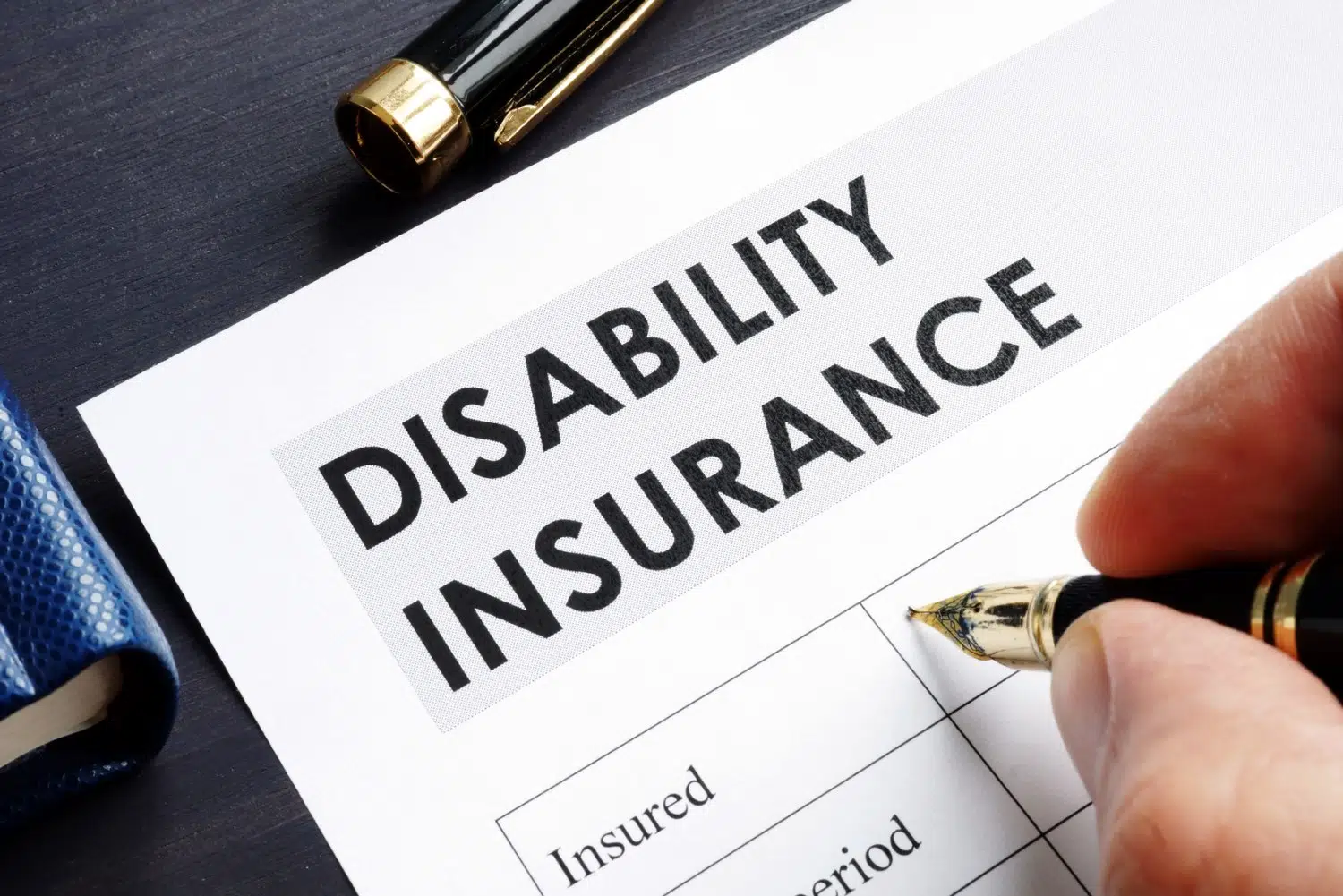
What is Disability Insurance?
According to the Social Security Administration, more than one in four of today’s 20-year-olds will become disabled before reaching retirement age. That makes disability one of the most likely financial risks of your working years. What is disability insurance? Disability insurance replaces your income in the event you can no longer work. Disability can happen from either accidental injuries or as a result of illness. What can be more important to a business or our family than our ability to work and earn income?
How Much Coverage Do You Need?
First of all, a good place to start is to replace 60% of your income. Why 60%? That’s an amount of income similar to your take-home pay after taxes are paid. Also, remember that the goal is to return to work if possible. As a result, insurance companies don’t want to incentivize you to stay home.
It’s also noteworthy to consider how long you would like the benefit? Your policy can replace your income for a short period of time or as long as to your retirement age.
Likelihood of Needing Disability Insurance
How likely are you to need your disability coverage? According to the Social Security Administration, more than one in four of today’s 20-year-olds will become disabled before reaching retirement age. Sounds risky, doesn’t it?
What Types of Disability Insurance Are Available?
GROUP DISABILITY PLANS
The most common form of disability insurance is through employer-provided benefits. An employee can voluntarily have coverage via salary deduction. Group disability is generally affordable, yet most group benefits are limited in coverage. Consequently, group plans place a limit on the monthly or annual benefit that can be paid out to you. Having some coverage though is always better than nothing. Therefore it’s important for you to read the policy and know what you’re paying for!
SHORT-TERM DISABILITY INSURANCE
Short-Term Disability (STD) pays a portion of your income for a short period of time after you run out of sick leave. Depending on your plan, STD generally will pay a benefit up to 52 weeks.
LONG-TERM DISABILITY INSURANCE
Long-term disability insurance (LTD) is an insurance policy that protects a person’s income in the event a person is unable to work for long periods of time. Policies can be designed to pay out a monthly benefit anywhere from one year or until retirement age when social security is accepted.
Owning Your Own Policy

Doesn’t Social Security Cover Disability?
Qualifying for social security disability, also known as, SSDI, can be rigorous. Most initial applications are denied. If you are approved for SSDI, your benefit will be based on what you’ve paid into the system over the course of your work history. In 2026, according to the SSA, the average monthly benefit for a disabled worker is $1,630. Your disability policy provides a benefit on top of your social security benefit to get your income back to the 60% mark.
Frequently Asked Questions
Is disability insurance worth it if I’m self-employed?
It’s often even more important if you’re self-employed, since you don’t have an employer’s sick leave or group disability plan to fall back on. An individual disability policy replaces part of your income if an illness or injury keeps you from working, protecting the business you’ve built.
How long does short-term disability insurance last?
Short-term disability typically covers a period of a few weeks up to about six months, bridging the gap while you recover. Long-term disability insurance picks up after that, potentially covering you for years or until retirement age, depending on the policy.
Can I get disability insurance if I already have a pre-existing condition?
Often, yes — though pricing and coverage details vary by carrier and condition. Because we work with more than 40 carriers, we can usually find a company willing to offer coverage even when one company’s underwriting guidelines don’t fit your situation.
What’s the difference between own-occupation and any-occupation disability insurance?
Own-occupation coverage pays benefits if you can’t perform your specific job, even if you’re able to work in a different field. Any-occupation coverage only pays if you can’t work in any job reasonably suited to your education and experience. Own-occupation policies offer stronger protection but typically cost more. For physicians and surgeons, see our guide to own-occupation disability insurance for doctors. Still in training? See disability insurance for residents and fellows.
Does my employer’s disability insurance follow me if I change jobs?
No. Group disability coverage through an employer typically ends when you leave that job, which is why owning an individual policy matters if you want protection that stays with you regardless of where you work.
Who are the best disability insurance brokers in Birmingham for working professionals?
The best fit depends on your occupation class, income structure, and health, not a single “best” carrier. As a Birmingham agency that focuses exclusively on life, disability, and long-term care insurance, not home, auto, or commercial lines like most local agencies, we shop your specific situation across multiple carriers rather than representing just one company’s disability product.
How much of my income can disability insurance replace?
Most individual disability policies replace roughly 50-65% of pre-disability income, though the exact percentage, definitions, and caps vary by carrier and by how your income is structured. We’ll walk through what’s realistic for your numbers during a quote.
Why shop multiple disability insurance carriers instead of applying with one?
Occupation-class definitions, rate tables, and underwriting flexibility differ meaningfully between carriers. Comparing several before you apply can mean a better rate, a better benefit structure, or an approval where a single-carrier application might have been declined or rated.
Is there a cost to get a disability insurance comparison from AFS?
No. A quote and comparison is free and has no obligation to purchase.
Which disability insurance brokers in Birmingham are good for self-employed clients?
Self-employed applicants often need extra income documentation (tax returns, business financials) since there’s no employer paystub to verify earnings. We work with carriers experienced in underwriting self-employed and variable-income applicants, and can also discuss business overhead expense coverage alongside personal income replacement.
Do you offer disability coverage for business owners and partnerships?
Yes. Alongside personal income replacement, business owners often need business overhead expense and disability buy-out coverage — the first reimburses fixed business costs while you’re out, the second funds the purchase of a permanently disabled owner’s share. Both are specialty products that not every carrier writes.
Planning further ahead? Disability insurance protects your income during your working years; long-term care insurance in Birmingham covers the cost of care in retirement. Most clients eventually need both.